 how-to
Handle Emergency Service Calls Efficiently: 7 Steps
Table of Contents
- Why Efficient Emergency Call Handling Matters
- Step 1: Maintain Composure and Gather Critical Information
- Step 2: Use Active Listening and Empathy Techniques
- Step 3: Prioritize and Dispatch Assistance Immediately
- Emergency Call Script Templates for Your Team
- Emergency Call Handling Software and Tools
- Emergency Dispatch Best Practices for Response Time
- Stress Management and Psychological Support for Call Takers
Last Updated: August 23, 2026
Why Efficient Emergency Call Handling Matters
Every second counts when someone dials 911. The difference between a calm, methodical response and a chaotic one can determine whether help arrives in time. Emergency call handling orchestrates a coordinated response that saves lives by reducing response times, improving situational awareness, and ensuring resources reach people who need them most.
At SolvPro, we understand how critical communication is across emergency operations. While SolvPro specializes in field service management for small and medium-sized service businesses, the principles of efficient call handling, clear communication, rapid dispatch, real-time coordination, apply across every industry that manages mobile teams. Whether you're coordinating emergency responders or field service crews, the fundamentals remain constant: gather information quickly, dispatch resources immediately, and maintain clear communication throughout.
This guide walks you through the seven-step process for handling emergency service calls with precision and speed.
Step 1: Maintain Composure and Gather Critical Information
The first 30 seconds of an emergency call set the tone for everything that follows (peer-reviewed research). Your composure directly influences the caller's ability to communicate clearly. Separate yourself from emotional intensity and focus on extracting actionable information.
Verify Location and Contact Details First
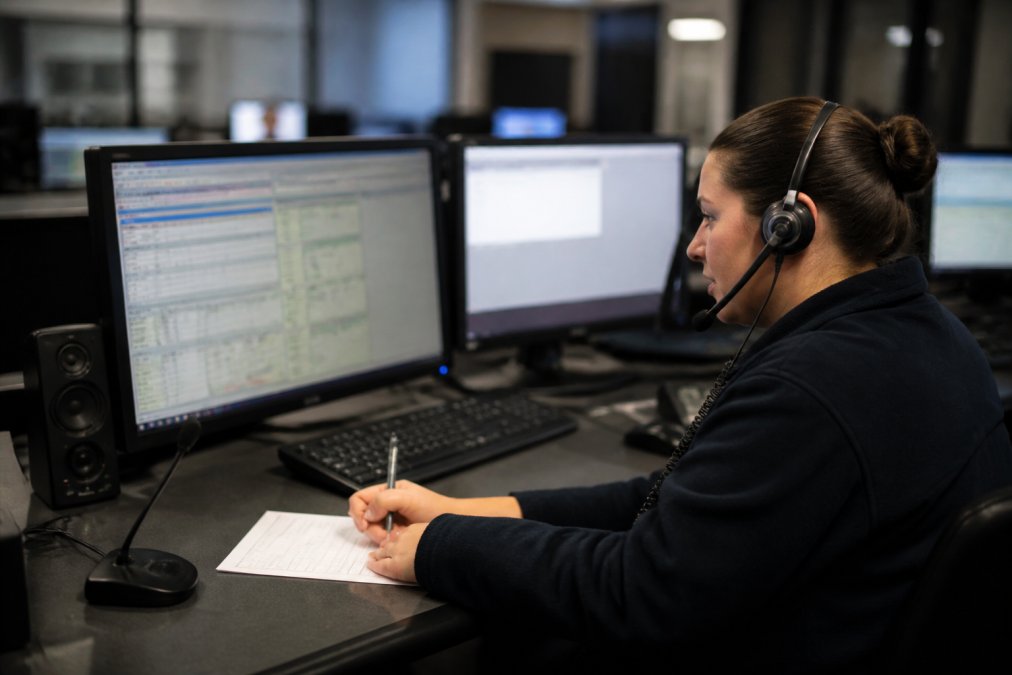
Location is the single most critical piece of information. Ask for the full address, including apartment or suite number if applicable. Ask for cross streets or landmarks if the address is unclear. Repeat the location back to the caller to confirm accuracy. Get a valid callback number in case the connection drops.
Document the Nature and Severity of the Call
Determine the nature of the emergency: medical, fire, crime in progress, or other. Ask "What's happening right now?" and listen for what the caller isn't saying, silence, hesitation, or whispered speech can indicate danger. Document severity: Is someone unconscious, actively bleeding, or having trouble breathing? Are weapons present? These details inform dispatch decisions about resource allocation.
Step 2: Use Active Listening and Empathy Techniques
Active listening is deliberate focus on what the caller is saying without planning your response while they're still talking (apa.org). Acknowledge what the caller is experiencing: "I understand you're frightened. Help is on the way." This validation reduces panic and helps the caller focus on providing information.
Use clear, direct language and avoid jargon. Repeat critical information back to the caller to confirm accuracy and reassure them you're paying attention. Ask open-ended questions when you need details ("Tell me what you see") and closed-ended questions when you need confirmation ("Is she breathing?").
Step 3: Prioritize and Dispatch Assistance Immediately
Once you have location and nature of emergency, dispatch immediately. Don't wait for perfect information, responders can refine details en route. Use a triage mindset to sort calls into categories that determine response speed. Life-threatening emergencies get highest priority; injuries or crimes in progress get second priority; property crimes get lower priority.
CAD (Computer-Aided Dispatch) systems automatically flag high-priority calls and route them to available units based on proximity and capability. Communicate clearly with dispatch teams using standard terminology: exact address, nature of emergency, number of people involved, and any hazards.
Emergency Call Script Templates for Your Team
Scripts provide structure when stress derails conversation. They're checkpoints that ensure you don't forget critical steps.
Basic Emergency Response Script
"911, what's your emergency?"
Listen to the caller's initial response. If incoherent or panicked, repeat: "I'm here to help. Tell me what's happening."
"What's your location?" (Get full address, apartment number, cross streets)
"Are you safe right now?" (Determines if responders need police backup)
"Is anyone injured?" (Determines medical response level)
"Are you with the person who needs help?" (Confirms caller location)
"Help is on the way. Stay on the line with me."
This script hits essential points in 60-90 seconds.
De-Escalation Script for High-Stress Situations
"I understand this is scary. I'm here to help. Take a deep breath with me."
"I need you to focus on one thing right now. What's happening in front of you?"
"You did the right thing by calling. Emergency responders are being sent to you now."
"Stay on the line with me. I'm not going anywhere."
De-escalation works by acknowledging emotion without amplifying it. Repeat back what you hear and use the caller's name if given.
Emergency Call Handling Software and Tools
Modern dispatch operations rely on integrated software systems that manage call intake, resource allocation, and real-time communication with field teams.
Real-Time Data and CAD System Integration
A CAD system is the central nervous system of emergency dispatch. It tracks available units, their locations, capabilities, and current assignments. When you input a call, the system immediately shows which units are closest and available.
Real-time data means responders see updated information as situations change. If a caller reports a weapon, dispatch can alert units before they arrive. CAD systems also create an audit trail for quality assurance, training, and legal protection.
Integration with mapping systems, GPS tracking, and communication platforms means dispatchers and responders operate from the same information, reducing gaps and keeping response times short.
Managing High Call Volumes
Implement call queuing systems that hold calls briefly while they wait for available takers. Use automated systems to gather basic information before connecting to a human. Cross-train staff so multiple people can handle different types of calls. Set up overflow protocols where neighboring jurisdictions help during peak demand. Monitor call times and staffing levels constantly.
Emergency Dispatch Best Practices for Response Time
Response time is the metric that matters most in emergency services. Best practices focus on reducing delay at every stage.
Proximity Dispatching and Triage
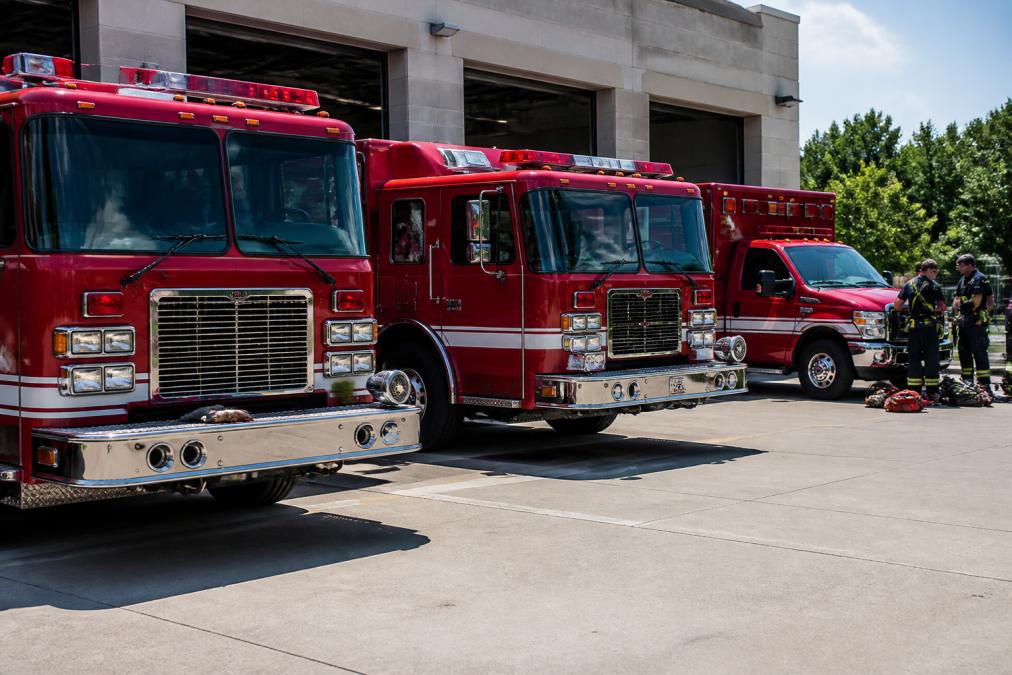
Proximity dispatching means sending the closest available unit. In emergencies, speed matters more than perfect matching. Use incident prioritization protocols that categorize calls and determine response speed without emotion. A protocol might state: "Unconscious patients get Code 1 response (lights and sirens). Conscious patients with breathing difficulty get Code 2 (urgent but no sirens). Stable patients get Code 3 (standard response)."
Building Resilient Communication Systems
Resilience means your system keeps functioning even when parts fail. Build redundancy with backup communication channels, backup power systems, and battery backup for dispatch centers. Train staff on manual procedures so they can take calls and dispatch units using paper and radio if computer systems crash. Test backup systems regularly and document standard operating procedures clearly.
Stress Management and Psychological Support for Call Takers
Emergency call takers experience trauma (peer-reviewed research). Without proper support, they burn out. Provide psychological debriefing after critical incidents so staff can process difficult experiences. Rotate staff off high-stress calls periodically to prevent trauma accumulation. Provide access to mental health support through employee assistance programs. Create a culture where discussing stress is normal. Monitor staff for signs of burnout and intervene early.
Handling emergency service calls efficiently requires maintaining composure, gathering information, using active listening, prioritizing dispatch, using scripts, deploying software tools, implementing best practices, and supporting your team. These elements work together to create a system that responds quickly and accurately.
The challenge most organizations face isn't understanding these principles, it's executing them consistently under pressure. When you centralize communication, automate dispatch decisions, and track performance data, you remove guesswork and can respond to emergencies with confidence.
If you manage field service operations and need better coordination between office and field teams, SolvPro's centralized platform simplifies scheduling, dispatch, and real-time communication, helping your team finish jobs faster and get paid sooner with bilingual support and seamless integrations. Start your free trial with SolvPro and see how simplified dispatch and coordination can transform your operations.
Frequently Asked Questions
What information is most critical to gather during an emergency service call?
The three critical pieces of information are location, nature of emergency, and caller contact details. Verify the exact address or intersection first, this is the most time-sensitive detail. Next, clarify what type of emergency it is (medical, fire, safety hazard) so you can dispatch the correct resources. Finally, confirm a callback number in case responders need additional information. Document everything in real-time using your emergency call handling software to ensure nothing is missed and response times stay fast.
How can emergency call handling software reduce response times?
Modern emergency call handling software integrates with CAD systems to automatically log calls, assign resources based on proximity, and track units in real-time. This eliminates manual dispatch delays and ensures the nearest available crew is sent immediately. The software also provides call takers with instant access to incident history and location data, reducing back-and-forth communication. Many platforms include automated alerts and real-time transcription, which further speeds up the entire response chain from call intake to field arrival.
What are the 3 C's for handling an emergency situation?
The 3 C's are Check, Call, and Care. Check the scene for safety hazards before responding. Call emergency services or dispatch immediately with accurate location and situation details. Care for the person in need while waiting for professional help. In a dispatch context, this translates to: verify the emergency details, dispatch the appropriate resources without delay, and maintain communication with the caller and responding crew throughout the incident.
Why is psychological debriefing important for emergency call takers?
Emergency call takers experience high-stress situations regularly, which can lead to burnout, anxiety, and decision fatigue. Psychological debriefing after critical incidents helps call takers process traumatic calls, reduces secondary trauma, and improves long-term mental health. Regular debriefing sessions also improve team resilience and help identify training gaps. Supporting your team's mental health directly improves call quality, reduces errors, and increases staff retention, all of which contribute to more efficient emergency response overall.
This article was written using GrandRanker