 how-to
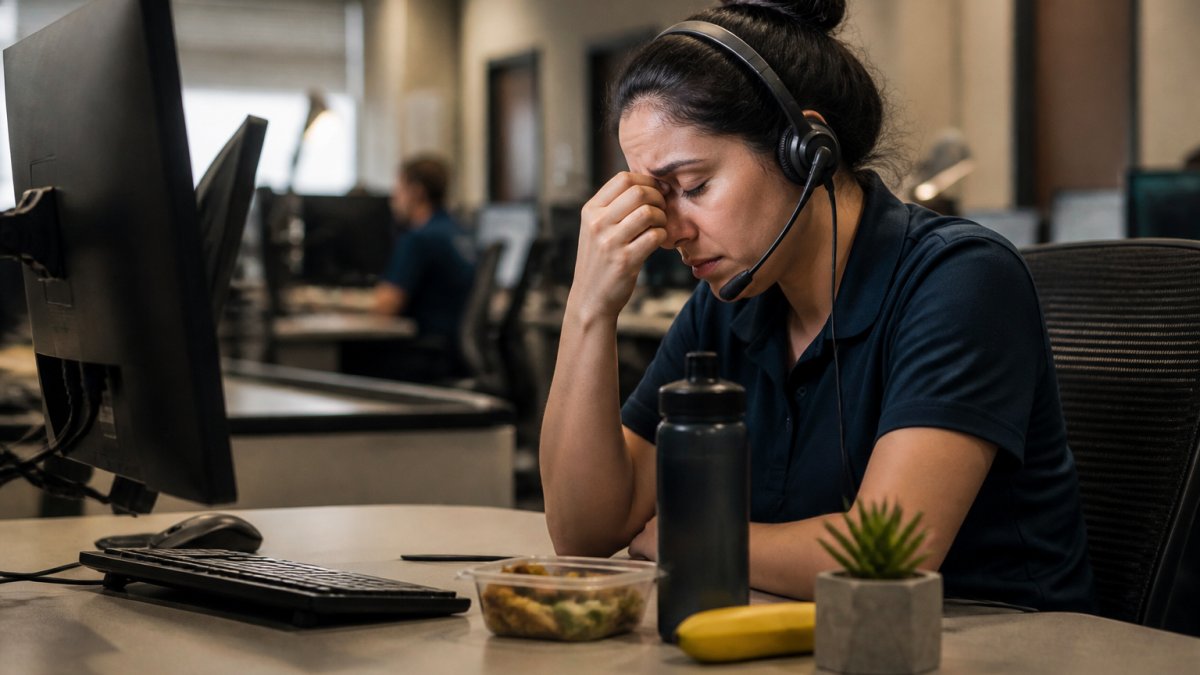
Preventing Burnout in Emergency Dispatchers
Table of Contents
- Why Burnout Happens in Emergency Dispatch Work
- Recognizing Burnout and Compassion Fatigue
- 911 Dispatcher Stress Management: A Shift-by-Shift Prevention Plan
- Stress After a Difficult 911 Call: Immediate Response
- Building Dispatcher Wellness Programs That Work
- Emergency Dispatcher Shift Scheduling to Reduce Burnout
- What Supervisors and Agencies Can Do
- When to Seek Professional Support
- Frequently Asked Questions
Last Updated: October 10, 2026
Why Burnout Happens in Emergency Dispatch Work
Causes and sources of dispatcher stress
The stress in dispatch work comes from multiple directions at once.
The job demands constant focus. A single mistake could cost a life. Dispatchers know this.
Staffing shortages make it worse. Many dispatchers work 12-hour shifts, sometimes back-to-back (Public Safety Telecommunicators ).
Emotional demands and trauma exposure
Not every call is routine. Dispatchers hear suicides, overdoses, child abuse, domestic violence, and fatal accidents.
This is where trauma exposure becomes real. A dispatcher might take a call from a parent whose child isn't breathing.
Cumulative exposure matters too. One traumatic call is manageable. But over months and years, the calls add up.
Recognizing Burnout and Compassion Fatigue
Early warning signs in yourself and your team
Burnout doesn't arrive suddenly. It creeps in gradually. The first signs are often small.
Watch for these markers in yourself:
- You dread going to work
- You feel cynical about callers or your job
- Small frustrations make you angry
- You're exhausted even after days off
- You can't focus during calls
- Your sleep is disrupted
In team members, look for:
- Increased absenteeism or call-outs
- Irritability or snapping at colleagues
- Withdrawn behavior or isolation
- Mistakes they wouldn't normally make
- Complaints about physical symptoms (headaches, stomach issues)
- Talking about leaving the job
The key is catching these early. Once burnout takes hold, recovery takes much longer.
The difference between stress and secondary traumatic stress
Stress is normal. Every job has stress. Stress becomes a problem when it's constant and unrelenting.
Secondary traumatic stress is different. It's the emotional impact of hearing traumatic stories repeatedly. It mimics PTSD but develops from exposure to others' trauma, not direct personal trauma.
The difference matters because the treatment is different. Regular stress management helps with job stress. Secondary traumatic stress requires specific interventions. Dispatchers need to know the difference so they can get the right support.
911 Dispatcher Stress Management: A Shift-by-Shift Prevention Plan
Preventing burnout in emergency dispatchers works best when you build it into your daily routine.
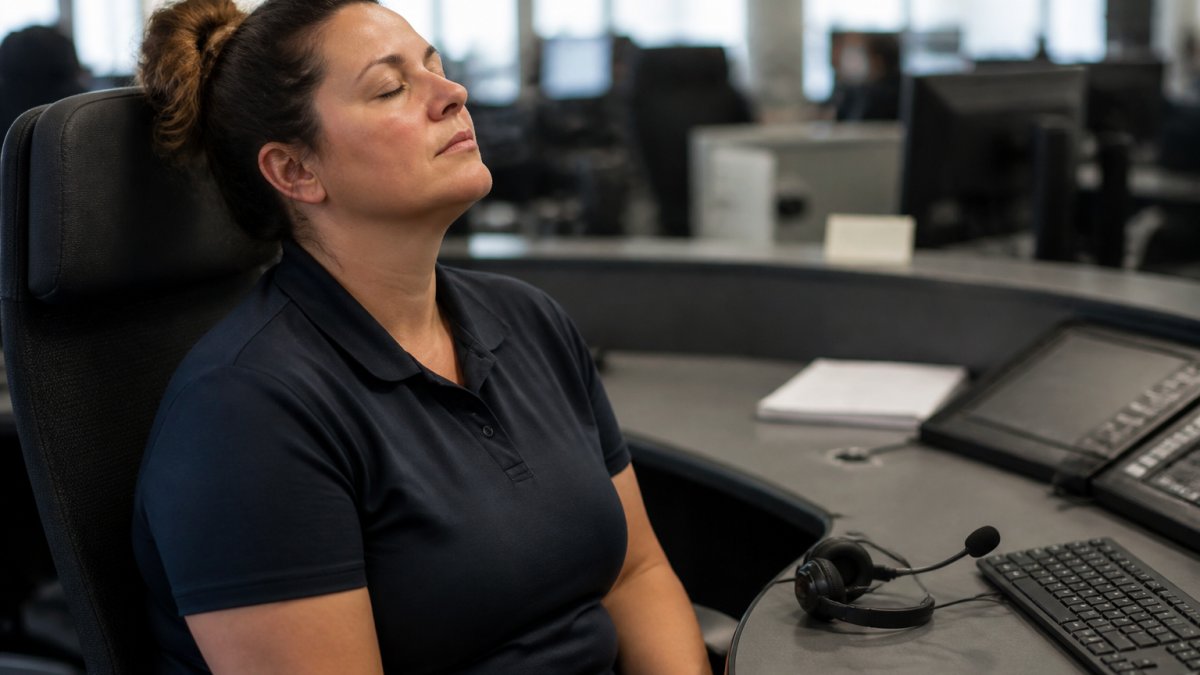
Before your shift: grounding and preparation
Start your day intentionally. Don't rush into dispatch work cold.
Try these before clocking in:
- Spend 5 minutes outside if possible. Fresh air and sunlight reset your nervous system.
- Do a brief breathing exercise. Breathe in for 4 counts, hold for 4, exhale for 4. Repeat 5 times.
- Set an intention for the shift. "I will stay calm" or "I will take my breaks" works.
- Eat a real breakfast. Low blood sugar makes stress feel worse.
- Avoid caffeine overload. One cup of coffee is fine. Five is not.
These small actions prime your mind for the work ahead. They're not magic, but they help.
During your shift: mindfulness and micro-breaks
You can't leave the console for long breaks. But you can take micro-breaks.
Every hour, take 2-3 minutes:
- Step away from the console if possible
- Do a quick body scan. Notice where you're holding tension. Shake it out.
- Stretch your neck, shoulders, and wrists
- Drink water
- Look away from screens for 30 seconds
Between calls, use this reset:
- Take three deep breaths
- Notice one thing you can see, hear, and feel
- Ground yourself in the present moment
Mindfulness doesn't mean clearing your mind. It means noticing what's happening without judgment.
After your shift: decompression and recovery
This is where most dispatchers fail. They go home and jump into family life or personal tasks.
Build a transition ritual:
- Don't drive straight home. Stop somewhere neutral for 10 minutes. Sit in your car, walk around, listen to music.
- Change clothes immediately when you get home. Physical change signals a mental shift.
- Don't talk about work for the first hour. Let your nervous system calm down.
- Do something physical. Walk, exercise, stretch, or even just move around your house.
- Avoid alcohol as a wind-down. It disrupts sleep and traps stress in your body.
Sleep is non-negotiable. Burnout accelerates when you're sleep-deprived. Protect your sleep like your life depends on it.
Stress After a Difficult 911 Call: Immediate Response
Some calls hit differently. A child abuse call, a suicide, a fatal accident. Your body reacts even if you stay professional.
What happens in your body during a traumatic call
Your nervous system goes into high alert. Adrenaline spikes. Your heart rate increases. You focus intensely on the call. This is your body doing exactly what it should do.
The problem is what happens after. Your nervous system stays activated. You might feel shaky, nauseous, or unable to focus on the next call.
All of these reactions are normal. Your body experienced a threat (someone else's emergency). It responded accordingly.
Practical steps to reset and refocus
After a difficult call, take immediate action:
-
Name what happened. Say it out loud or to yourself: "That was a child abuse call" or "That was a suicide." Naming it helps your brain process it.
-
Physical reset. Stand up if you can. Shake your hands. Do 10 jumping jacks or walk quickly for 30 seconds. Movement helps discharge the adrenaline.
-
Cold water. Splash cold water on your face or hold ice cubes in your hands for 10 seconds. This activates your parasympathetic nervous system and calms you down.
-
Breathing. Do 5 rounds of box breathing: 4 in, 4 hold, 4 out, 4 hold. This is more powerful than regular deep breathing.
-
Talk to a colleague. A quick conversation with someone who understands helps. "That was rough" is enough. You don't need to process it fully right now.
-
Don't jump to the next call immediately. Take 2-3 minutes before taking another call if possible. Your brain needs a reset.
These steps won't erase the call. But they prevent it from compounding throughout your shift.
Building Dispatcher Wellness Programs That Work
Individual coping skills matter, but they're not enough. The organization has to support wellness too.
Peer support and team cohesion
Peer support is one of the most effective interventions for emergency dispatchers.
Build peer support by:
- Creating a formal peer support team trained in crisis intervention
- Normalizing conversations about difficult calls
- Pairing newer dispatchers with experienced ones
- Celebrating wins together, not just processing problems
- Protecting confidentiality absolutely
When dispatchers feel supported by their team, burnout risk drops significantly. Connection is one of the biggest protections (pubmed.ncbi.nlm.nih.gov).
Access to mental health resources and confidentiality
Many dispatchers avoid seeking help because they fear judgment or career consequences. Confidentiality must be absolute.
Offer:
- Employee Assistance Programs (EAP) with no-cost counseling
- Mental health resources specific to first responders
- Peer crisis counselors available 24/7
- Clear policies protecting confidentiality
- No requirement to disclose mental health treatment to management
Make it easy. Provide phone numbers. Share resources regularly. Normalize help-seeking.
Recognition, purpose, and meaningful work
Dispatchers often feel invisible. They don't see the outcome of their calls. They don't know if the person they helped survived.
Change this by:
- Sharing positive outcomes when possible
- Recognizing dispatchers publicly for good work
- Explaining how their work matters (it does)
- Involving them in improvements to systems and processes
- Celebrating years of service and milestones
A dispatcher who feels their work matters handles stress better than one who feels invisible.
Emergency Dispatcher Shift Scheduling to Reduce Burnout
Shift work is inherently stressful. But some scheduling approaches reduce burnout more than others.
Predictable schedules and adequate time off
Dispatchers need predictability. When schedules change constantly, stress increases. Sleep becomes harder. Family life becomes harder.
- Post schedules at least 4 weeks in advance
- Limit shift changes to emergencies only
- Provide at least 2 consecutive days off per week
- Rotate shifts gradually (don't jump from day shift to night shift)
- Allow requests for specific shifts when possible
Time off is recovery time. Adequate time off is non-negotiable for preventing burnout.
Managing overtime and staffing gaps
Mandatory overtime creates resentment and fatigue. Understaffing forces overtime.
Address this by:
- Hiring enough dispatchers to cover shifts without mandatory overtime
- Offering voluntary overtime at premium pay
- Limiting consecutive shifts
- Tracking overtime and rotating it fairly
- Addressing staffing gaps quickly
Staffing is a management responsibility. When dispatchers are overworked, burnout follows. Proper staffing is the foundation of wellness.
What Supervisors and Agencies Can Do
Individual dispatchers can manage stress. But lasting change requires organizational action.
Creating a culture that prioritizes mental health
Culture change starts at the top. If leadership doesn't prioritize mental health, no program will work.
Actions that change culture:
- Leadership talks openly about mental health
- Seeking help is normalized, not stigmatized
- Mental health days are treated like physical illness days
- Dispatchers aren't punished for taking mental health breaks
- Difficult calls are debriefed as a team
- Success and recovery are celebrated
When dispatchers see their leaders taking mental health seriously, they take it seriously too.
Measuring wellness initiatives and adjusting based on results
Good intentions don't prevent burnout. Data does.
Track:
- Absenteeism rates
- Turnover rates
- Employee satisfaction surveys
- Use of EAP services
- Overtime hours
- Sick leave usage
Review this data quarterly. If absenteeism is rising, something isn't working. If turnover is high, the wellness program isn't enough. Adjust based on what the data shows.
Effective agencies measure what matters and change what isn't working.
When to Seek Professional Support
Personal coping skills and workplace wellness help. But sometimes professional help is necessary.
Seek professional support if you:
- Have thoughts of suicide or self-harm
- Feel unable to function at work or home
- Are using alcohol or drugs to cope
- Have severe sleep problems lasting weeks
- Feel disconnected from reality
- Have panic attacks or severe anxiety
Professional support includes:
- Therapy or counseling
- Psychiatry for medication if needed
- Specialized trauma treatment
- Intensive outpatient programs
- Inpatient hospitalization if crisis
There's no shame in professional help. Dispatch work is hard. Sometimes you need expert support.
At SolvPro, we work with field service teams managing complex operations and high-stress environments. We know that operational stress compounds when communication breaks down. Clear scheduling, reliable dispatch systems, and transparent crew coordination reduce the chaos that fuels burnout. While SolvPro focuses on field service management, not mental health directly, many of the principles overlap: clear systems reduce stress, predictability matters, and communication saves lives.
Frequently Asked Questions
What are the signs of burnout in a 911 dispatcher?
Burnout in emergency dispatchers shows up as emotional exhaustion, cynicism toward callers, reduced sense of accomplishment, and detachment from work. Physical signs include sleep disruption, persistent fatigue, headaches, and stomach issues. Behavioral changes such as increased absenteeism, irritability with colleagues, difficulty concentrating, and withdrawal from team activities are common. If you notice these patterns lasting more than a few weeks, it's time to address them directly rather than pushing through.
How can dispatchers manage stress after a difficult 911 call?
Immediately after a traumatic call, step away from the console if possible. Use grounding techniques: name five things you see, four you can touch, three you hear, two you smell, one you taste. Take slow, deep breaths for 2-3 minutes. Talk briefly with a trusted colleague or supervisor about what happened. After your shift, engage in physical activity, journaling, or time in nature to process the experience. If intrusive thoughts persist for days, reach out to your agency's mental health resources or employee assistance program.
Why do emergency dispatchers quit their jobs?
Dispatchers leave primarily due to burnout from chronic occupational stress, inadequate staffing that forces constant overtime, lack of organizational support for mental health, and feeling undervalued despite their critical role in emergency response. Shift work that disrupts sleep and family life, limited access to mental health care, and workplace cultures that stigmatize discussing emotional impacts also drive turnover. Agencies that invest in resilience training, peer support, predictable schedules, and genuine recognition retain their teams far better than those that treat dispatch as an interchangeable role.
What wellness programs help emergency dispatchers build resilience?
Effective programs combine peer support teams, mindfulness and stress-management training, access to confidential mental health counseling, and regular breaks away from the console. Physical wellness, exercise programs, healthy eating initiatives, matters too. Equally important is organizational culture: recognition of dispatchers' contributions, clear career development paths, and supervisor training to spot early warning signs of distress. Resilience isn't just individual coping; it requires agencies to reduce chronic stressors like understaffing and to foster a sense of purpose and meaningful work.