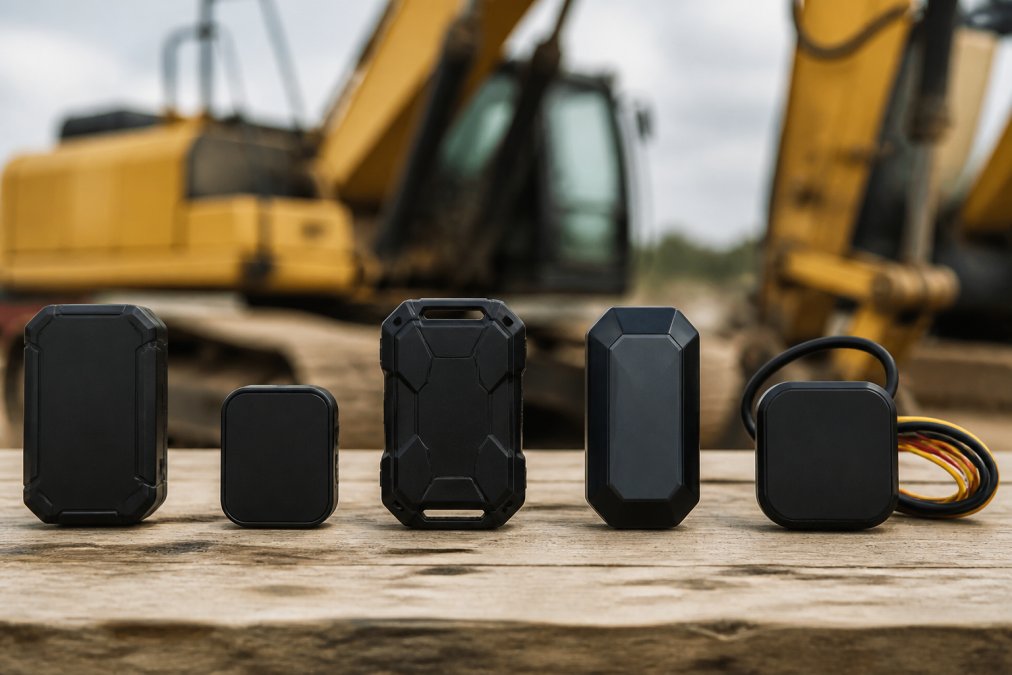
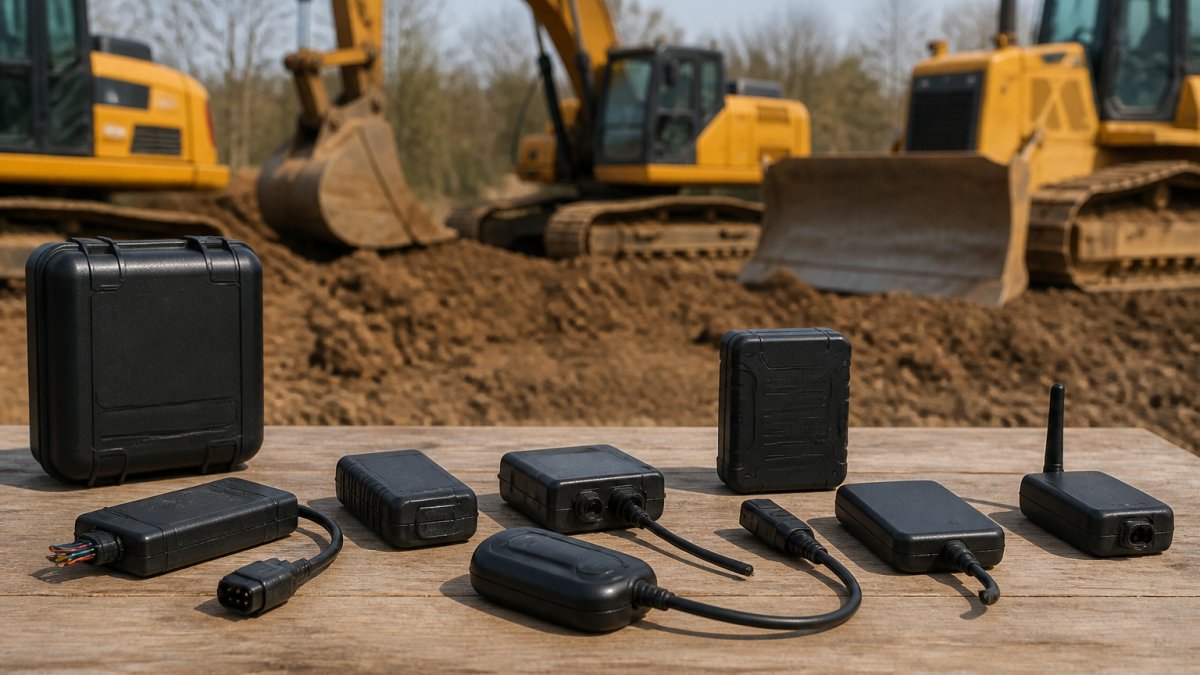
 comparison
Choosing the Right GPS Tracker for Construction Equipment
Table of Contents
- What to Look for When Choosing a GPS Tracker for Construction Equipment
- GPS Trackers for Heavy Equipment: Key Features and Coverage
- Wired vs Battery-Powered GPS Trackers: Which Works Best
- Construction Equipment Theft Prevention Through GPS Tracking
- Equipment Use Tracking and Downtime Reduction
- Connectivity, Battery Life, and Real-World Performance
- Cost of Ownership and ROI for Equipment Tracking Systems
- Implementation and Multi-Site Workflow Integration
- Frequently Asked Questions
Last Updated: October 15, 2026
What to Look for When Choosing a GPS Tracker for Construction Equipment
Choosing the right GPS tracker for construction equipment starts with understanding what your operation actually needs. Before you spend money on any system, ask yourself: Are you tracking theft prevention, monitoring equipment use, or both? Do your job sites have reliable cellular coverage, or are you working in remote areas with spotty connectivity? The answers to these questions shape every decision that follows.
When you're evaluating GPS trackers, focus on four core dimensions: power source (wired, battery, or solar), reporting frequency (how often location updates arrive), durability in harsh job-site conditions, and total cost of ownership including hardware, installation, and monthly service fees. Many construction teams jump straight to comparing features without understanding these fundamentals, which is why they end up with trackers that don't fit their workflow.
SolvPro helps field service teams manage crew and equipment operations from a single platform. While SolvPro itself focuses on work order management and crew coordination, understanding how GPS tracking integrates into your broader operations management matters. The right tracker becomes part of a larger system that connects your office, your crews, and your equipment into one coherent workflow.
GPS Trackers for Heavy Equipment: Key Features and Coverage
Heavy equipment tracking requires different considerations than vehicle tracking. Excavators, bulldozers, compressors, and generators operate in environments where standard automotive GPS devices fail. Your tracker needs to withstand mud, dust, vibration, and temperature swings that would destroy consumer-grade hardware.
Device coverage means understanding which equipment types your tracker actually supports. Some trackers work well on vehicles but struggle with stationary assets like generators. Others excel at tracking multiple asset types but require different mounting solutions for each. Before choosing a system, verify that it covers every equipment type you operate, not just your most expensive machines.
Reporting intervals determine how fresh your location data is. Real-time updates (every 30 seconds to 5 minutes) cost more but catch theft in progress. Standard intervals (15-30 minutes) work fine for monitoring use and preventing unauthorized movement. Longer intervals (hourly or daily) suit equipment you rarely move.
Coverage areas matter more than you'd expect. Some systems rely on cellular networks and fail in remote job sites where your crews operate daily. Others use hybrid approaches combining GPS with satellite fallback. If you work in areas with poor cellular coverage, ask directly whether the tracker will function where you actually work, not just in urban areas.
Wired vs Battery-Powered GPS Trackers: Which Works Best
The power source decision splits cleanly into two camps, and each has real trade-offs that affect your operation.
Wired GPS trackers connect directly to your equipment's 12V electrical system. They never run out of power, which means they deliver consistent, uninterrupted tracking. Installation is permanent, you're drilling into your equipment and running wiring through the engine compartment. Once installed, a wired tracker becomes part of the machine.
Battery-powered trackers offer portability and flexibility. You can move them between equipment as your fleet needs shift. They work on equipment you lease, rent, or rotate seasonally. The catch is simple: batteries die. A battery-powered tracker sitting on idle equipment for two months will drain completely.
Solar-powered options exist but remain niche. They work best on equipment that sits in direct sunlight for hours daily. Equipment stored in yards or under covers won't charge reliably. Solar trackers suit specific use cases, like monitoring equipment left on sunny job sites, but not general fleet tracking.
The honest answer: wired trackers deliver better reliability for equipment you own and operate regularly. Battery-powered trackers make sense when you need flexibility or can't justify permanent installation. Many teams use both, depending on the asset.
Construction Equipment Theft Prevention Through GPS Tracking
Theft prevention is often the first reason construction teams adopt GPS tracking, and it's a legitimate concern. Equipment disappears from job sites regularly, and recovery without tracking is nearly impossible.

Real-time location alerts matter more for theft prevention than anything else. When a tracker detects unauthorized movement, your excavator leaving the job site at 2 AM, you need to know within minutes, not hours. This requires low reporting intervals (5-15 minutes) and reliable cellular connectivity.
The prevention value extends beyond recovery. Insurance companies often offer discounts when you deploy GPS tracking on high-value equipment. The discount sometimes covers a portion of your annual subscription costs. Check with your insurance provider before deploying trackers, they may subsidize the system.
One reality to acknowledge: GPS tracking prevents theft after it happens, not before. A determined thief with tools can disconnect a tracker or disable it. The real value lies in faster recovery and deterrence. Most equipment theft targets machines left unattended overnight or on remote sites.
Equipment Use Tracking and Downtime Reduction
Beyond theft prevention, the real operational value of GPS tracking lies in use data. How many hours is your excavator actually working versus sitting idle? Are your crews moving equipment between sites efficiently, or is your most expensive machine spending half its time in transit?
Engine-hour tracking (when available) tells you actual operating time, not just location history. A piece of equipment showing 40 hours of engine time in a month is underutilized. That same equipment showing 160 hours is working hard. This data drives better decisions: Should you sell underutilized equipment? Rent it out?
Downtime patterns emerge from tracking data. If your equipment consistently goes offline during specific hours or locations, you've found a connectivity problem. If it moves frequently but logs few engine hours, your crews are spending too much time transporting equipment between sites. These insights drive operational changes that save money faster than any single feature.
The challenge is converting raw location data into actionable insights. You need reporting that shows use trends, not just a map of where your equipment sits. Many basic GPS systems offer location tracking but minimal analytics. Systems designed for construction fleets, like those from Tenna or Geotab, build use dashboards that highlight these patterns automatically.
Connectivity, Battery Life, and Real-World Performance
Connectivity failures destroy GPS tracking systems. A tracker that works perfectly in town but goes silent in the mountains or desert creates false confidence. You think you're tracking equipment when you're actually blind.
Cellular coverage varies dramatically by region. Urban and suburban areas have reliable coverage from multiple carriers. Rural job sites and remote areas often have dead zones. Before selecting a tracker, research coverage maps for the specific areas where you operate.
Hybrid connectivity (combining cellular with satellite fallback) solves coverage problems but costs more. Systems that fall back to satellite when cellular fails ensure you never lose tracking, even in remote locations. The trade-off is monthly cost and potentially longer update intervals when using satellite.
Battery life depends on reporting frequency and device type. A battery-powered tracker reporting location every 30 seconds will drain in days. The same tracker reporting every 4 hours will run for months. Your choice of reporting interval directly affects battery life and operating costs.
Real-world performance often lags vendor promises. A tracker rated for 60-day battery life might deliver 40 days in practice, especially in cold weather or areas with poor signal strength. Plan for 20-30% shorter battery life than specifications promise.
Cost of Ownership and ROI for Equipment Tracking Systems
Total cost of ownership includes hardware, installation, monthly service, and personnel time managing the system. A $200 tracker with $25/month service costs $500 in year one. Add installation labor, and your first-year cost approaches $700-1,000 per unit.
Pricing varies based on reporting frequency, connectivity type, and contract length.
ROI calculations depend on what you're protecting and optimizing. If you prevent one equipment theft worth $30,000, your tracker pays for itself many times over. If you optimize use and discover you can eliminate one piece of underutilized equipment, you've freed up capital and reduced insurance costs. If you reduce downtime by 5% through better maintenance planning, that compounds over time.
The honest assessment: GPS tracking rarely justifies itself purely on use optimization for small fleets. It makes financial sense when combined with theft prevention, insurance discounts, and operational improvements. Calculate your break-even point based on your specific situation rather than assuming industry averages.
Implementation and Multi-Site Workflow Integration
Deploying GPS tracking across multiple job sites and equipment types requires planning beyond just buying devices.
Installation complexity varies dramatically. Wired trackers require professional installation on each vehicle, drilling holes, running wiring, connecting to power systems. Battery-powered trackers require only mounting, which any crew member can handle. Factor installation time and labor costs into your budget.
Staff training matters more than most teams expect. Your office staff needs to understand the tracking platform, how to set up geofences, interpret alerts, and generate reports.
Data integration with your existing systems determines whether tracking becomes useful or just creates more data. SolvPro's work order and crew management capabilities work best when paired with equipment tracking that feeds location and use data into your broader operational view.
Multi-site management requires a dashboard that shows all equipment across all locations. You need to see which job site has idle equipment available for redeployment. You need alerts when equipment moves between sites or operates outside expected hours.
Start with a pilot deployment on your highest-value equipment or your most problematic job site. Learn the system, train your team, and refine your processes before scaling to your entire fleet.
| Tracker Type | Power Source | Best For | Key Trade-off |
|---|---|---|---|
| Wired GPS Tracker | 12V electrical system | Equipment you own long-term | Permanent installation required |
| Battery-Powered Tracker | Rechargeable battery | Leased or seasonal equipment | Requires regular recharging |
| Solar Tracker | Solar panel | Equipment in direct sunlight | Limited to specific conditions |
| Cellular-Based System | Cellular network | Urban and suburban job sites | Fails in remote areas |
| Hybrid (Cellular + Satellite) | Dual connectivity | Remote and rural operations | Higher monthly subscription cost |
Choosing the right GPS tracker for construction equipment means matching your specific needs, theft prevention, use tracking, remote site coverage, with the right technology and budget. Start by identifying your highest-value assets and biggest operational pain points.
SolvPro integrates crew management with equipment visibility, letting you see where your teams and assets are operating together.
Frequently Asked Questions
What should I look for in a GPS tracker for construction equipment?
Prioritize real-time location updates, geofencing alerts for theft prevention, durability in harsh weather, and battery or power options that match your equipment. Check for engine-hour tracking to monitor equipment utilization, cellular coverage reliability in remote job sites, and compatibility with your existing fleet management software. Ensure the provider offers transparent pricing without hidden subscription costs and reliable customer support for troubleshooting.
Are wired or battery-powered GPS trackers better for heavy equipment?
Wired trackers (hardwired to 12V power) work best for equipment that runs regularly, providing continuous tracking without battery replacement. Battery-powered trackers suit equipment used intermittently or in locations where hardwiring isn't practical. Consider your equipment's operating schedule: daily-use machinery benefits from wired installation, while seasonal or backup equipment may work better with portable battery or solar options. Each approach trades installation complexity for maintenance burden.
Can GPS trackers help prevent construction equipment theft?
Yes. Geofencing alerts notify you immediately when equipment leaves a designated job site, enabling rapid response. Real-time location tracking helps recover stolen assets, and tamper alerts warn if someone attempts to remove the device. Equipment theft prevention relies on combining GPS tracking with movement alerts and documented asset inventory. Many construction firms reduce theft losses significantly by deploying trackers on high-value machinery like excavators, compressors, and generators.
How do I know if a GPS tracker will work at my remote job sites?
Cellular coverage is critical in remote areas. Before committing, verify that the tracker's network (typically cellular-based) functions at your specific job sites by checking coverage maps or requesting a trial device. Some trackers include fallback options like satellite connectivity for dead zones. Ask the provider about reporting intervals in low-signal areas and whether they adjust update frequency to conserve battery when coverage is weak. This prevents gaps in tracking and ensures you don't lose visibility when you need it most.
What is the typical cost range for equipment GPS tracking?
Hardware costs range from around $14 for basic portable trackers to higher prices for industrial-grade hardwired units. Monthly subscription pricing typically ranges from $10 to over $60 per vehicle or device, depending on features like real-time updates, engine-hour tracking, and reporting frequency. Total cost of ownership depends on fleet size, subscription tier, and whether you choose battery replacement or hardwired installation. Contact SolvPro or your chosen provider for a quote tailored to your equipment count and tracking needs.